
Applications, appeals, permitted development, enforcement and planning strategy across England






Planning explanations, updates and practical guidance in video form
Chalk Streams and Planning in England
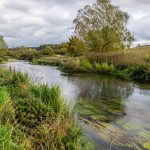
Chalk streams look gentle, but in planning terms they can bring several difficult issues together at once: water supply, abstraction, wastewater, ecology, flood risk, drainage and habitat restoration.
England contains about 85% of the world’s chalk streams. They are fed predominantly by groundwater held in chalk aquifers, which is one reason water abstraction and development growth can become so closely connected to their condition.
A chalk stream is not automatically a separate planning designation in its own right. The protection affecting a particular site may instead come from the development plan, a SSSI, a European nature site, priority habitat, protected species, flood risk policy or a combination of these. The practical job is therefore to identify the stream and then work out which legal and policy regimes actually apply.

Need help with a planning constraint?
Heritage, ecology, flood risk, Green Belt and other site constraints can change what is realistically achievable. Planning Geek can help you understand the constraint, the planning balance and the practical options for moving a proposal forward.
Why are chalk streams unusual?
Chalk is porous. Rain filters through it and is stored underground in the aquifer before emerging through springs and feeding streams. That groundwater influence gives many chalk streams relatively stable temperatures, clear water and distinctive ecology.
The same geology also makes chalk aquifers important for public water supply. The Environment Agency’s National Framework for Water Resources 2025 describes over-abstraction as a critical pressure on chalk streams and says sustainable abstraction from chalk aquifers has to balance water-supply resilience with the needs of the environment.
This is why a large development can raise a chalk-stream issue even when no building is proposed beside the channel itself.
Water supply and abstraction
New homes and commercial development increase demand for water. In a chalk catchment, the planning question may therefore extend beyond whether the local water company can physically connect the site.
Authorities may need to consider the strategic water-resource position, the relevant water company plans and whether additional demand could put pressure on an already stressed catchment. Planning Geek’s guide to water scarcity and planning explains the wider development implications.
The Environment Agency’s current national framework says the siting and management of abstraction from chalk aquifers need particular care around sensitive headwaters and specially protected areas.
Wastewater can matter just as much as water supply
Development adds foul water as well as potable-water demand. Where wastewater treatment works discharge into a chalk stream or connected protected water body, capacity and water quality can become material planning issues.
Possible concerns include phosphorus, nitrogen, treated effluent, storm overflows and whether network or treatment upgrades will be delivered in time. Where the receiving environment forms part of a European site or Ramsar site, Habitats Regulations Assessment and, in some catchments, nutrient neutrality may also be relevant.
This is also an area to watch as the new Environmental Delivery Plan and Nature Restoration Fund regime is rolled out, because the first EDPs are focused on nutrient pollution in affected catchments.
Development beside a chalk stream
A proposal close to the stream needs to treat the watercourse as more than a blue line on a constraints plan. Depending on the site, the design may need to consider:
- a meaningful undeveloped buffer beside the channel and associated habitat
- retention and enhancement of riparian vegetation
- access for maintenance and habitat management
- lighting effects on bats, fish and invertebrates
- construction pollution and sediment control
- surface-water runoff and the quality of water entering the stream
- culverts, crossings and bank engineering
- flood risk and the natural function of the floodplain
- opportunities to restore a modified channel or reconnect habitat
A landscaped strip shown on a plan is not necessarily enough. The width and design should respond to the ecology and physical processes of the particular stream.
SuDS and surface-water quality
Green infrastructure and sustainable drainage can help slow runoff, remove pollutants and create habitat, but poorly designed drainage can simply move a problem downstream.
Road runoff, hydrocarbons, sediment and urban pollutants can all affect water quality. A scheme may therefore need treatment stages before water is discharged to the stream or allowed to infiltrate to the chalk aquifer.
Where infiltration drainage is proposed, groundwater protection and contamination risks also need to be checked. The correct drainage solution is site-specific.
Ecology and protected sites
Some chalk streams are protected through SSSI or European-site designations, while others support priority habitats and species or locally designated wildlife sites.
That can introduce separate tests. For example, harm to an SSSI is considered under the national policy and statutory regime for sites of national importance, while effects on a European site can trigger HRA. Protected species may require their own survey and licensing route.
It is therefore risky to write a planning application around the generic idea that ‘chalk streams are protected’. The application needs to identify exactly what is protected, why it is protected and how the development could affect it.
Restoration can form part of the planning solution
Many chalk streams have been straightened, dredged, culverted or disconnected from their floodplains. Development can sometimes create opportunities to restore a more natural channel, improve marginal habitat, remove barriers, create wetland features or increase public access where that can be achieved without ecological harm.
Fish passage is a good example. Our fish pass planning permission guide covers the planning, BNG, Environment Agency and heritage consent routes. A historic or modern weir can prevent fish moving upstream even where the river either side remains valuable habitat. A fish pass, fish easement, rock ramp, notch or bypass channel can reconnect those reaches, but the project can still require planning permission or permitted-development analysis, Environment Agency fisheries approval, flood-risk permitting and heritage assessment. Where BNG applies, the statutory watercourse metric also contains specific treatment for fish-passage improvements, so the ecological benefit should be designed into the metric rather than treated as an afterthought.
The 2021 national Chalk Stream Strategy, supported by the Environment Agency and Natural England, identified water quantity, water quality and physical habitat as the three broad areas requiring coordinated action. Those themes remain a useful way to structure planning evidence today.
What should an applicant check?
- Map the catchment rather than looking only at the application red line
- Check designations including SSSI, SAC, Ramsar, local wildlife and priority habitat
- Check water-resource evidence and any local water-scarcity policies
- Understand foul drainage, treatment capacity and the receiving water body
- Design surface water carefully so runoff does not degrade water quality
- Survey ecology at the right time using the ecological survey calendar
- Consider restoration early where the channel or banks are degraded
Key sources
Conservation, Heritage & Protected Sites
Heritage
- Conservation & heritage home
- Conservation Index
- Heritage significance and harm
- Heritage Impact Assessments
- Setting of a heritage asset
- Listed buildings
- Conservation areas
- PD rights in conservation areas
- PD rights affecting listed buildings
- Non-designated heritage assets
- Archaeology and planning
- Ridge and furrow planning
- Registered parks and gardens
- Registered battlefields
- Protected wreck sites
- World Heritage Sites
- Scheduled monuments
- Scheduled monument consent
Heritage applications & enforcement
Protected landscapes
- National Landscapes (AONBs)
- AGLV (Area of Great Landscape Value)
- Local landscape designations
- Landscape character assessment
- Landscape and Visual Impact Assessment (LVIA)
- EIA screening and scoping
- PD rights in National Landscapes (AONBs)
- National Parks
- PD rights in National Parks
- The Broads
- Heritage Coast
Land & flood constraints
- Green Belt, grey belt, greenfield & brownfield
- Metropolitan Open Land (MOL)
- Strategic gaps, green wedges & settlement gaps
- Local Green Space
- Open space, playing fields & sports land
- Common land & village greens
- Flood zones
- Flood Risk Assessment (FRA)
- Coastal Change Management Areas
Nature & protected sites
- Habitats Regulations Assessment (HRA)
- Environmental Delivery Plans & Nature Restoration Fund
- Priority habitats & species
- Irreplaceable habitats
- Limestone Pavement Orders
- Local Wildlife Sites and Local Geological Sites
- Local Nature Recovery Strategies (LNRS)
- Green infrastructure
- Nature reserves (NNRs and LNRs)
- Marine Conservation Zones
- Nutrient neutrality
- Water scarcity
- Chalk streams & planning
- Fish pass planning permission
- Water neutrality
- Air pollution and protected sites
- Special Protection Areas (SPA)
- Special Areas of Conservation (SAC)
- Ramsar sites
- Sites of Special Scientific Interest (SSSI)
- SANG & recreational mitigation
- Ancient woodland & veteran trees
- Trees and planning
- Tree Preservation Orders
- Biodiversity Net Gain
- Conservation covenants
- Field hedgerows
- Hedgerow Removal Notice
- Protected species
- Preliminary Ecological Appraisal (PEA) & EcIA
- Ecological survey calendar
Chalk Streams Page Added: 28th August 2026
Chalk Streams Page Updated: 8th September 2026