

Planning consultancyBacked by the UK's leading planning resource

Conservation areas and planning in England


A conservation area is an area of special architectural or historic interest whose character or appearance it is desirable to preserve or enhance. The designation protects the special interest of a place, rather than only individual buildings.

That can include the relationship between buildings, streets, spaces, trees, boundaries, materials, views, historic uses and landscape. It also means that an unlisted building can make an important contribution to a conservation area’s significance even though it does not have its own national listing.

Conservation areas are designated under section 69 of the Planning (Listed Buildings and Conservation Areas) Act 1990. They are also designated heritage assets for the purposes of the August 2026 National Planning Policy Framework.

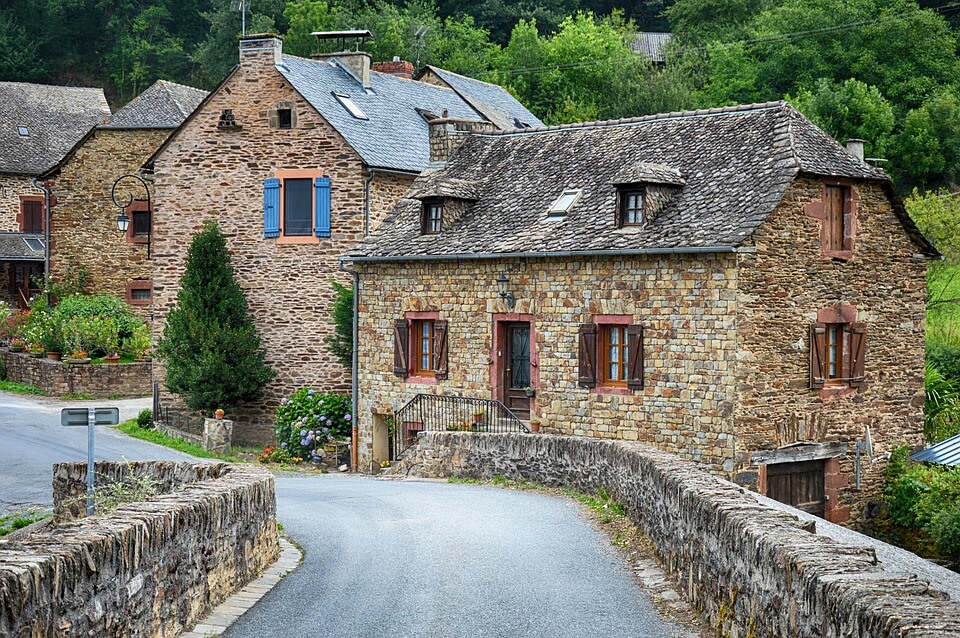
Historic English conservation area streetscape with traditional buildings

Need help with a planning constraint?

Heritage, ecology, flood risk, Green Belt and other site constraints can change what is realistically achievable. Planning Geek can help you understand the constraint, the planning balance and the practical options for moving a proposal forward.

Discuss your site with us →


How is a conservation area designated?


Section 69 requires local planning authorities to determine which parts of their area are of special architectural or historic interest, where it is desirable to preserve or enhance that character or appearance, and to designate those areas as conservation areas.

The authority must also review conservation-area coverage from time to time. The August 2026 NPPF reinforces that approach: policy HE2 says conservation areas should be reviewed periodically, and new or amended designations should be accompanied by an adopted appraisal and management plan.

The NPPF also warns against devaluing the concept of conservation by designating areas which do not genuinely possess sufficient special architectural or historic interest.


The conservation area appraisal and management plan matter


The statutory boundary tells you where the conservation area is, but an appraisal should help explain why it is special. A good conservation area appraisal identifies the area’s significance, important buildings and spaces, characteristic materials and forms, views, trees, historic development, negative features and opportunities for enhancement.

Section 71 of the 1990 Act also requires local planning authorities from time to time to formulate and publish proposals for the preservation and enhancement of conservation areas. In practice, appraisals and management plans are often the documents which turn that duty into a place-specific strategy.

Historic England’s Advice Note 1 on conservation area appraisal, designation and management remains useful professional guidance, although older NPPF paragraph references should be read against the August 2026 Framework.


The section 72 statutory duty


Section 72(1) of the Listed Buildings Act is central to decision-making. When exercising relevant planning powers with respect to buildings or other land in a conservation area, the decision-maker must pay special attention to the desirability of preserving or enhancing the character or appearance of that area.

This is more than a generic material consideration. The statutory objective must genuinely be given the attention Parliament requires when the planning balance is undertaken.

The leading authority is South Lakeland District Council v Secretary of State for the Environment [1992] 2 AC 141. The House of Lords confirmed that preserving the character or appearance of a conservation area means keeping it free from harm: a proposal does not have to make a positive enhancement in order to preserve it.

There is an important boundary to the wording. Section 72 expressly applies to the exercise of the relevant powers with respect to land or buildings in the conservation area. Development outside the boundary can still affect a conservation area’s significance under national policy, but it is not accurate simply to say that section 72 itself applies to every site within the wider setting.


What does the August 2026 NPPF say?


The current heritage policies are explained more fully in our guide to heritage significance and harm.

For conservation areas, policy HE9 says development within or affecting the significance of a conservation area should:

  • retain and conserve buildings and other features which make a positive contribution to its character or appearance where possible
  • consider the area’s special architectural or historic interest in the design of development

The NPPF expressly recognises that not every element of a conservation area necessarily contributes to its significance. Where a proposal would remove a building or other element which does contribute, the decision-maker should consider the relative significance of that element, its contribution to the area as a whole and the HE5/HE6 heritage tests.

Proposals which conserve positive elements or better reveal the significance of the conservation area should be supported.


Development outside a conservation area can still matter


A conservation-area boundary is not necessarily the limit of every heritage effect. A proposal outside the boundary may alter an important approach, skyline, view, landscape relationship or adjoining space which contributes to the area’s significance.

The concept is the setting of a heritage asset. HE5 requires the significance assessment to include any contribution made by setting, and HE9 applies to proposals which affect the significance of a conservation area.

This is not a licence to treat every development visible from a conservation area as harmful. The assessment should identify the particular relationship, explain how it contributes to significance and then assess what the proposal would actually change.


Does everything in a conservation area have to look old?


No. Conservation means managing change in a way which sustains and, where appropriate, enhances significance. New development does not have to copy historic architecture.

Good contemporary design can be appropriate where its scale, massing, materials, proportions, layout and details respond intelligently to the special character of the place. Conversely, a poor imitation of an older style can still harm a conservation area.

The right starting point is the area’s identified special interest and the context of the site, not a presumption that change is unacceptable.


Demolition in a conservation area


Conservation Area Consent no longer exists in England. The separate consent was abolished on 1 October 2013. Where demolition of an unlisted building or structure amounts to relevant demolition, planning permission is required instead.

Relevant demolition is controlled by section 196D of the Town and Country Planning Act 1990. Carrying out relevant demolition without the required planning permission, or in breach of a relevant condition, is a criminal offence.

Not every piece of demolition is caught. Important exclusions include certain small buildings below 115 cubic metres and walls, gates or fences below the statutory height thresholds, together with other categories specified by legislation and direction. Listed buildings and scheduled monuments are controlled under their own regimes.

If demolition is proposed, the contribution of the building or structure to the conservation area’s significance should be assessed rather than assuming that being unlisted means it is disposable. See our guide to relevant demolition in a conservation area.


Permitted development rights are more restricted


A conservation area is included within Article 2(3) land in Schedule 1 to the General Permitted Development Order. Many individual permitted development classes impose tighter limits or exclude particular works on Article 2(3) land.

That does not mean all permitted development rights disappear. The actual class must be checked. Our detailed guide to permitted development in a conservation area explains the common householder restrictions.

A local Article 4 direction can remove additional permitted development rights where justified. These are especially common in conservation areas, but they are not automatic: the direction and the classes it withdraws must be checked.


Trees in conservation areas


Conservation areas also have special controls over tree work. Where a tree is not already protected by a TPO, section 211 of the Town and Country Planning Act normally requires six weeks’ notice before work is carried out.

The notice gives the local planning authority an opportunity to decide whether a Tree Preservation Order should be made. There are exceptions, including the normal small-stem threshold, and the detailed rules are explained on our trees and planning page.


How do you find out whether a property is in a conservation area?


The local planning authority’s conservation-area map is the primary practical source. The designation boundary should also be reflected in the authority’s heritage records and often on its online mapping system.

For a planning application, obtain the current conservation area appraisal and management plan as well as checking the boundary. Knowing that the site is designated is less useful than understanding the particular character and significance which the authority is trying to preserve or enhance.


What should a planning application include?


Where a proposal could affect the significance of a conservation area, HE5 requires a proportionate assessment. Depending on the development, that may include:

  • the conservation-area appraisal and relevant development-plan policies
  • the particular architectural or historic interest relevant to the site
  • the contribution made by existing buildings, spaces, trees, boundaries or views
  • the effect of demolition, alteration or new development on that significance
  • design changes used to avoid or minimise harm
  • opportunities to enhance or better reveal significance

The assessment can form part of a heritage statement, planning statement or other proportionate supporting document.


Relevant legislation, policy and guidance


Conservation, Heritage & Protected Sites

Protected landscapes

Land & flood constraints

Nature & protected sites


Conservation Areas Page Updated: 20th August 2026