


 Home
Use Classes
Which Use Class is my building?
Directory of Uses
Use Class B
Use Class C
Use Class E
Use Class F1
Use Class F2
Sui Generis
Use Class Timeline
Home
Use Classes
Which Use Class is my building?
Directory of Uses
Use Class B
Use Class C
Use Class E
Use Class F1
Use Class F2
Sui Generis
Use Class Timeline
Sui Generis – for everything else – from casinos to fuel stations, bingo to taxis
Sui Generis of the Use Classes Order 1987 (as amended) are all other locations which do not fit into one of the other categories or classes, they are unique in themselves. If one is being pedantic then it isn’t really a Use Class at all.
Thanks to Use Class E, it is felt that certain uses are no longer considered to be under Sui Generis and are now Use Class E. These include vets, massage parlours, tattoo parlours, nail bars, beauticians and more as these are ‘any other services which it is appropriate to provide in a commercial, business or service locality’ One complication to this is where a shop had permission to go from what was Use Class A1 to Sui Generis, but now should be operating under Use Class E.
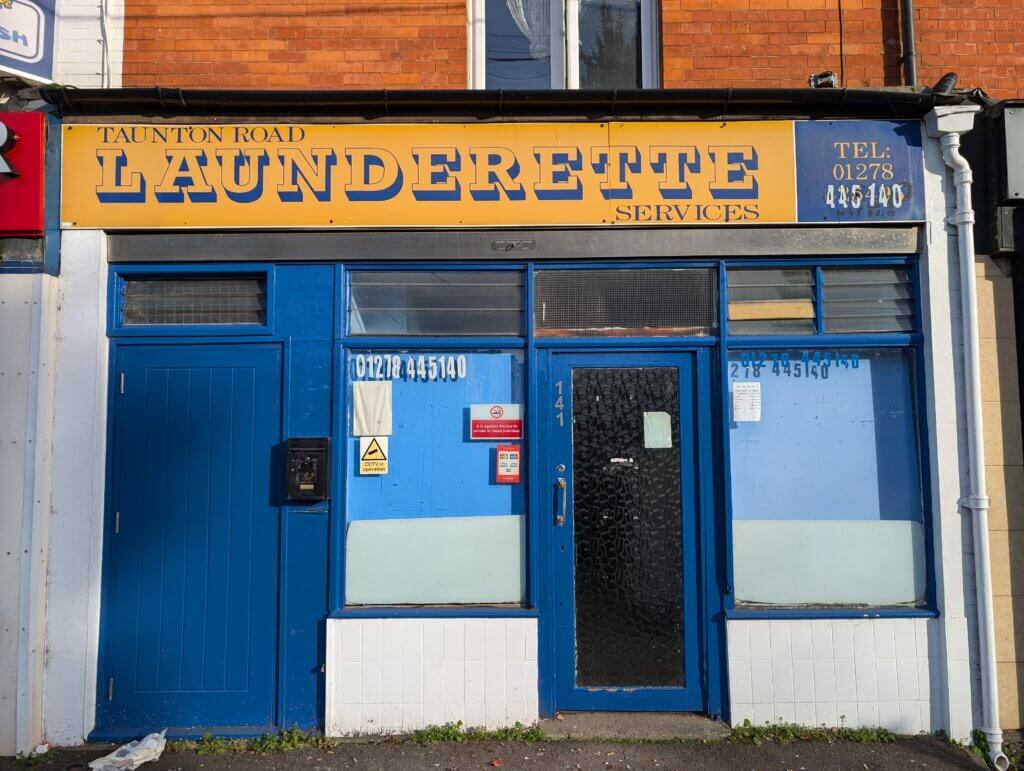
Sui Generis – Properties not fitting in any of the above categories / use classes. Meaning “of its (his, her, or their) own kind; in a class by itself; unique” It is a Latin phrase sʊ.iː ˈɡɛnɛrɪs.
In case you are wondering – Sui Generis is pronounced Soo-ee Jen-er-iss
Some uses listed below such as Mushroom Farms, or even Urban Mushroom Farms would come under a Sui Generis use as it is an agricultural process, especially if commercial in nature. Likewise for market gardens, nursery grounds, dairy farming, horticulture, fruit growing, dairy farming etc.
Whilst Police Stations are Sui Generis, a police office could well be Use Class E. Note that just because the police station counter was closed, this does not automatically change to being an office. The building would need to operate purely as an office for at least 10 years. This is without items such as cells and other items more commonly associated with a police station.
The Use Class Order 2020 was an update to the Use Class Order 1987 and the changes are summarised here. This moved some uses into Sui Generis.
Permitted Development Changes for Sui Generis use
There are several permitted development rights to go from or to C3 from/to any other use class.
From another use to Sui Generis Use:
Class H – Reverses Class G as below
From Sui Generis use to another use:
Class A – Casino, Betting Office, Payday Loan Shop to Use Class E
Class AA – Pubs, Wine Bars etc. to Pubs, Wine Bars etc., with expanded food provision
Class G – one or two flats (C3) above Payday Loan Shop, Betting Office
Class M – Payday Loan Shop, Hot Food Takeaway, Launderette, Betting Office to C3
Class N – Casino, Amusement Arcades to C3
Class Q – Agricultural Building to C3
Class R – Agricultural Buildings to Flexible commercial use (Use Class B2, E, C1, B8, F2(c))
Class S – Agricultural Buildings to State Funded School
Class D – Betting Office, Payday Loan Shop, Hot Food Takeaway to Use Class E, F1(b), F1 (c), F1(d) or (F1(e) for a period of up to 3 years up to 150m2
If you require assistance with planning permission please either request a free fee proposal, or book a Zoom call with Ian, the founder of Planning Geek. Our team of planning consultants are here to help.
Important: To change from one Sui Generis use to another Sui Generis use requires planning permission.
Examples for Sui Generis use
According to the Planning Geek directory of uses, Sui Generis includes Adult Entertainment Venue, Agricultural Units, Alkali Work, Amusement Arcade, Barns, Betting Shops, Bingo Hall, Boarding Kennels, Cab Company, Car Hire / Car Rental, Car Racing, Car Showroom, Caravan SIte, Casino, Cattery, Cinema, Concert Hall, Dance Hall, Drinking Establishments with Expanded Food Provision, Equestrian, Farm, Fast Food Takeaway, Firearms Sports, Fuel Stations, Funfairs, Garages (Fuel), Haulage Depot, HMOs (7+ people), Hostels (No care), Hot Food Takeaways, Kennels, Landfill Sites, Lap Dancing Club, Large HMOs, Launderettes, Live Music Venue, Lorry Park, Minicab Company, Motorcycle Showroom, Motorsport Arenas, Nightclubs, Other Drinking Establishments, Payday Loan Shops, Petrol Stations, Petrol Stations, Police Stations, Postal Sorting Offices, Private Hire Company, Pubs, Retail Warehouse Club, Scrap Yards, Student Blocks, Takeaway, Taxi Company, Theatres, Vehicle Sports, Visitor Centre, Wine Bars, Yard for Breaking of Motor Vehicles, Yard for Storage / Distribution of Minerals, Zoo, Builders Yard ∆
∆ Builders Merchants could be classed as B8 or Sui Generis. Wickes for example tend to prefer Use Class B8 / E and have obtained this at appeal.
Sui Generis Page Updated: 28th March 2025
Other Planning Use Classes Sections
| Which Use Class is my building? | UCO Timeline |
| Part B - B2 - B8 | Use Class F1 |
| Part C - C1 - C2 - C2A - C3 - C4 - C5 | Use Class F2 |
| Use Class E | Sui Generis |
| Directory of Uses | Changes in 2020/21 |